
The Offensive Security Wireless Professional (OSWP exam writeup) certification is designed for cybersecurity professionals who want to specialize in Wi-Fi and wireless network security. Unlike general penetration testing certifications, OSWP concentrates specifically on weaknesses in wireless technologies and teaches candidates how to assess and protect them in real-world scenarios.
Last update: February 2026
Wireless networks are everywhere—homes, offices, public spaces—and that makes them a major target for attackers. The OSWP helps security practitioners understand how these attacks work and how organizations can defend against them.
What is the OSWP certification?
OSWP is a practical, hands-on certification offered by Offensive Security. To earn it, candidates must complete a challenging exam in which they assess real wireless environments, identify vulnerabilities, and successfully exploit them within a lab environment.
Rather than focusing on theory alone, the exam requires you to apply techniques such as packet capture, traffic analysis, and wireless authentication attacks. This mirrors what penetration testers face when assessing Wi-Fi infrastructures in professional engagements.
Who should consider OSWP?
This certification is a strong fit for:
- penetration testers who want wireless specialization
- network security professionals
- red team members
- students interested in offensive security
- security engineers responsible for Wi-Fi infrastructure
It is also useful for those already holding certifications like eJPT, OSCP, or Security+ who want to expand into wireless testing. Familiarity with Linux, networking, and basic penetration testing methodology is recommended before attempting the exam.
What topics does OSWP exam writeup cover?
While Offensive Security may update course material over time, core themes typically include:
- wireless networking fundamentals and encryption standards
- WEP, WPA, and WPA2 weaknesses
- authentication and association attacks
- packet analysis and traffic monitoring
- cracking wireless keys
- rogue access points and man-in-the-middle concepts
- securing wireless networks against common attacks
You will regularly work with tools used in real assessments, including packet capture utilities and wireless attack frameworks, applying them in a controlled lab environment.
Why is OSWP valuable?
The OSWP certification stands out for several reasons:
- it is deeply practical and scenario-based
- it focuses on a critical and highly relevant niche in cybersecurity
- employers recognize Offensive Security certifications worldwide
- wireless testing skills remain in demand as organizations expand Wi-Fi coverage
For many professionals, OSWP also serves as an excellent addition to a broader penetration testing skillset, demonstrating both specialization and hands-on ability.
How to prepare for the OSWP exam writeup
Preparation usually combines study and lab practice. Common steps include:
- working through Offensive Security’s PWK/WiFu training content
- practicing attacks on dedicated wireless lab setups
- learning to use wireless adapters capable of monitor mode and injection
- reviewing networking and encryption basics
- documenting steps and commands clearly for reporting
Hands-on practice is essential, since the exam is performance-based rather than multiple-choice.
Final thoughts
The OSWP certification is an excellent option for anyone interested in wireless network security and practical penetration testing. It builds real technical skills, strengthens professional credibility, and offers a focused deep dive into one of the most widely used — and frequently targeted — technologies today.
Whether you are already working in cybersecurity or just beginning to specialize, OSWP can be a meaningful milestone on your professional path.
Vendor: https://www.offsec.com/courses/pen-210/
Buy this dump: https://cyberservices.store/
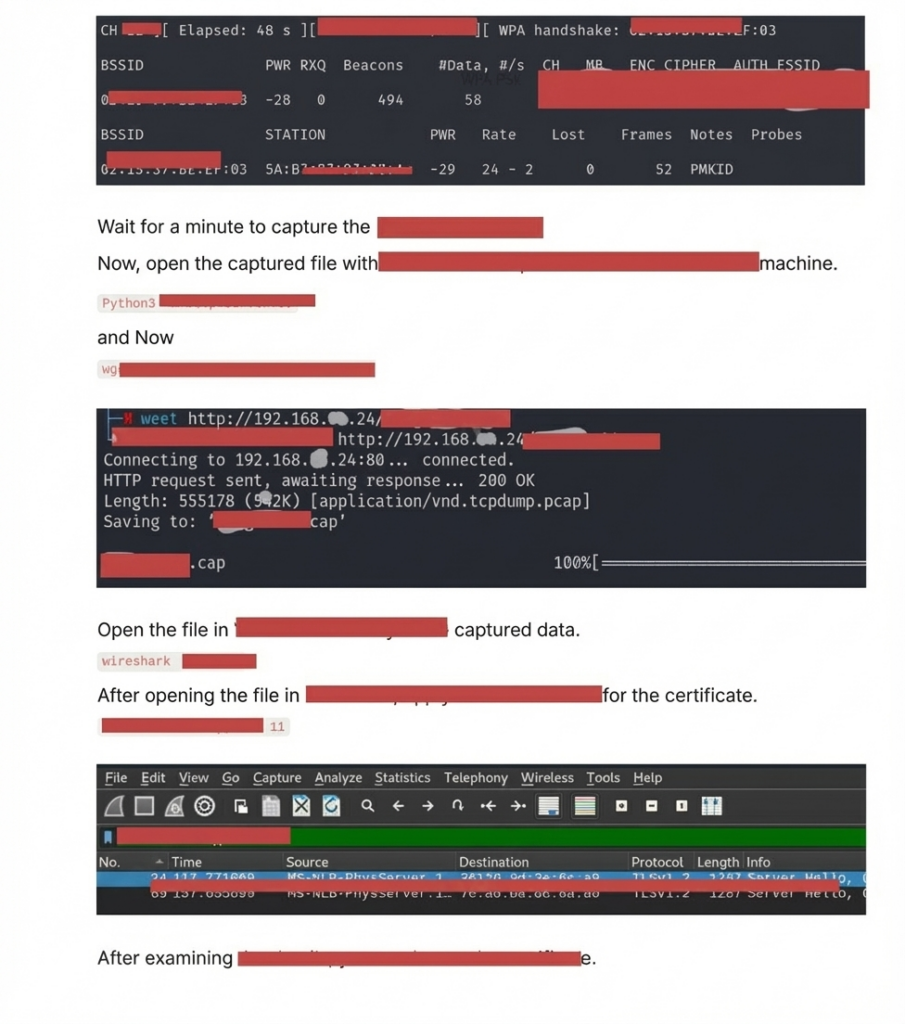
OSWP Exam Updates (Last Year – Today)
Over the last year, the OSWP (Offensive Security Wireless Professional) exam has remained stable in both structure and intent. The exam is still a hands-on practical assessment focused on real-world wireless network attacks. There have been no significant changes to the exam format or core objectives during this period.
The OSWP content is still fully relevant. Candidates are expected to demonstrate a solid understanding of wireless fundamentals, including 802.11 protocols, encryption mechanisms (WEP, WPA/WPA2), and common misconfigurations. Practical skills such as packet capture, traffic analysis, handshake cracking, and exploiting weak wireless setups remain central to the exam. While wireless security tools continue to evolve, the exam continues to prioritize conceptual understanding and correct attack methodology over blind tool usage.
Candidates should be especially careful with environment setup and accuracy. Small mistakes in interface configuration, channel selection, or capture technique can waste valuable time. A methodical approach, clean note-taking, and clear documentation of each step are critical. Since the exam is very focused, knowing exactly when and how to apply each technique can make the difference between passing and failing.
Overall, OSWP remains a focused and practical certification for professionals working with wireless security and penetration testing.
Yes, the OSWP exam is still valid and respected in 2026. It continues to be a recognized certification for demonstrating hands-on wireless penetration testing skills.
There have been no major format changes. Recent updates mainly reflect improvements in exam clarity and environment realism, while the technical scope and hands-on nature of the exam remain the same.