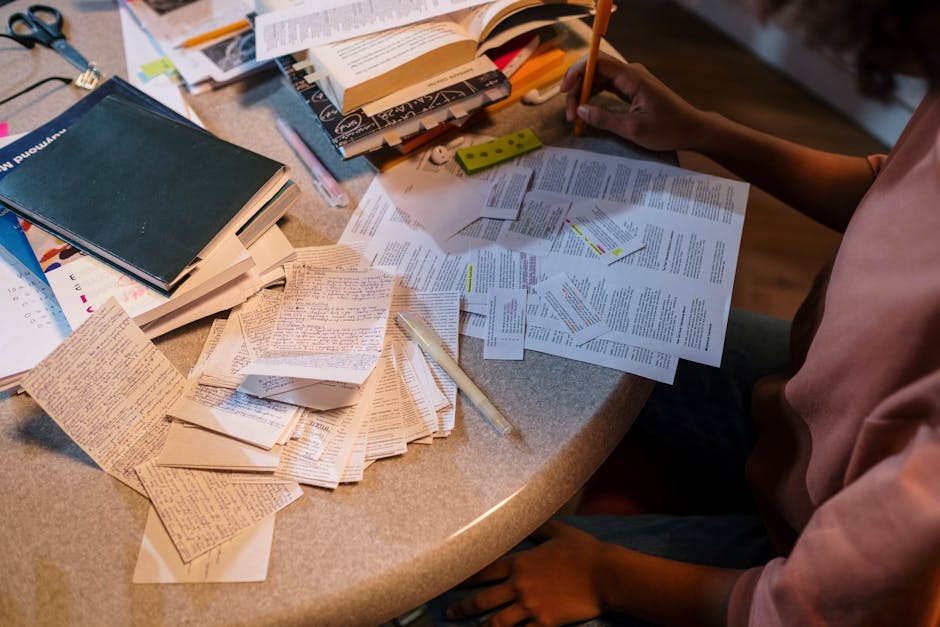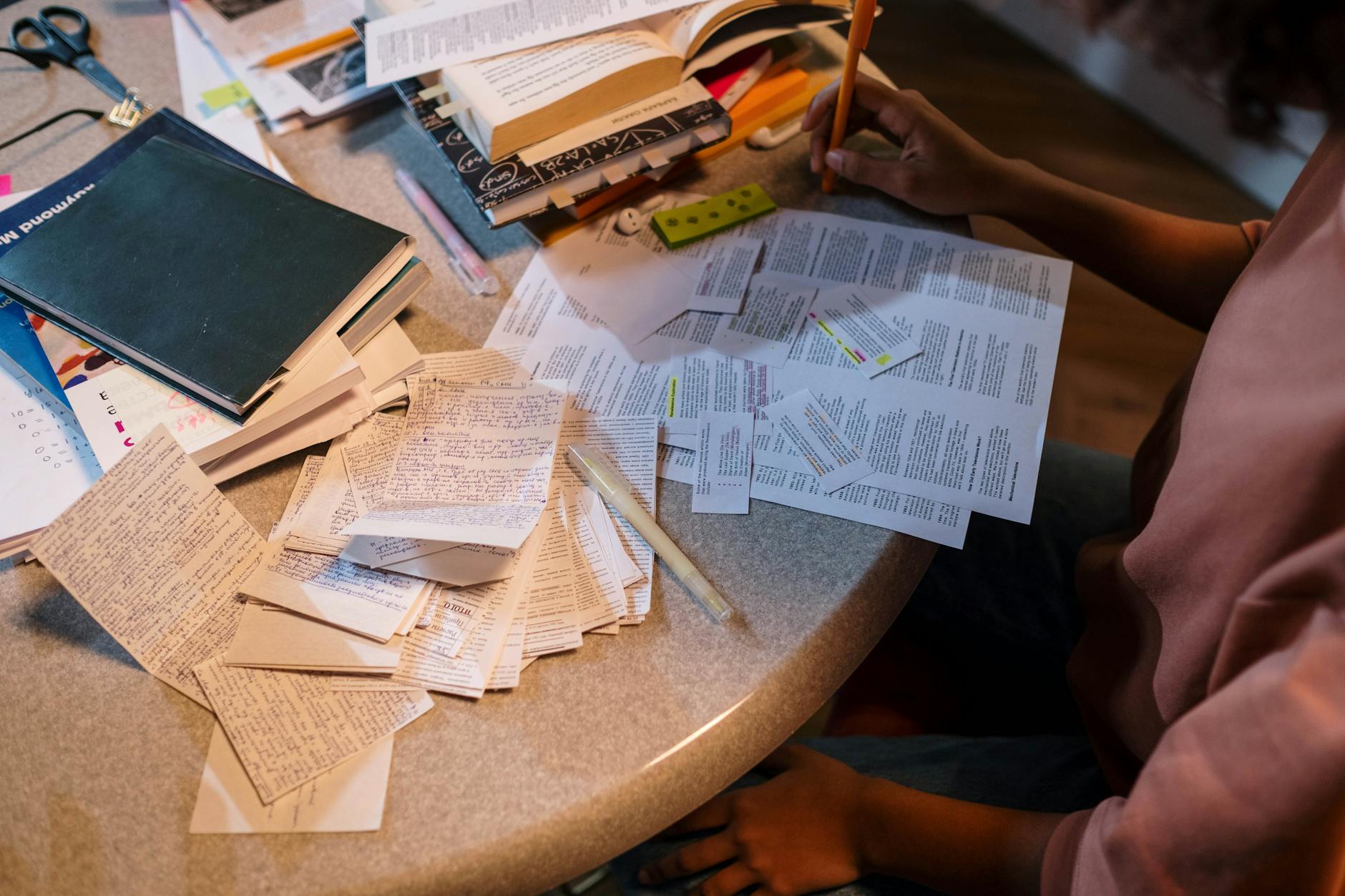
cwee exam tips can make the difference between feeling scattered and actually feeling ready. If you’ve been trying to figure out how to study without burning out, you’re in the right place, and this Related Post is a good starting point for building a more organized plan.
The CWEE exam has a way of exposing weak spots fast. That’s not a bad thing, though. It just means your prep needs to be practical, steady, and honest about where your time is going. The best cwee exam tips are rarely flashy. They’re usually the simple habits you keep repeating until they stick.
Start with a clear view of the exam
Before you jump into labs, notes, and practice questions, slow down and map out the exam at a high level. You do not need to memorize every detail on day one. What you need first is a clean understanding of the topics, the pace, and the type of thinking the exam expects. That alone can calm a lot of the noise.
Good cwee exam tips always begin here because people often study what feels comfortable instead of what the exam actually tests. If a topic appears repeatedly in your notes but rarely shows up in practice, that’s a signal. Shift your attention. A focused prep plan beats a crowded one almost every time.
Build a study routine you can repeat
The fastest way to waste exam prep is to make every session feel different. Some days you read, some days you watch videos, some days you open a lab and then leave it half-done. That might feel productive, but it usually creates more friction than progress. A better move is to build a routine that is boring in the best possible way.
Your routine does not have to be long. It just has to be consistent. Maybe you spend the first 20 minutes reviewing notes, the next hour doing hands-on work, and the last 15 minutes writing down what confused you. That rhythm gives your brain a pattern to follow. Over time, it becomes easier to get started, and starting is half the battle.
When people ask for cwee exam tips, they often want the perfect schedule. There isn’t one. There is only the schedule you can keep. A simple weekly structure usually beats an ambitious plan that falls apart by Wednesday.
- Review core concepts before each practice session.
- Keep a short error log so you can spot repeat mistakes.
- Use timed practice once a week, even if it feels uncomfortable.
- Revisit weak areas before moving to new material.
- Write quick summaries in your own words instead of copying notes.
cwee exam tips for hands-on practice that actually helps
This is where many candidates either level up or stall out. Reading about a concept is not the same as using it under pressure. You need hands-on practice that forces you to think, troubleshoot, and adapt. That is where real confidence starts to form.
One of the strongest cwee exam tips is to treat practice like a feedback loop. Do something, make a note, correct it, then do it again later without looking. That second attempt tells you a lot. If you can repeat the task after a day or two, the knowledge is sticking. If not, you’ve found a gap worth fixing.
Try not to chase volume for the sake of volume. Ten messy practice sessions can be more useful than thirty rushed ones. Slow down when something breaks. Ask why it broke. Then ask what would have helped you notice the problem sooner. That habit turns simple practice into real exam prep.
Make your notes usable, not pretty
Beautiful notes can be a trap. They look great, and they give you a little dopamine hit, but they are not always useful when you need a quick answer. Your notes should help you act. Keep them short, searchable, and centered on the steps you actually forget.
A lot of the best cwee exam tips come down to reducing friction. If you can’t find a concept in under a minute, your notes need work. If a process takes a page and a half to explain, it probably needs to be broken into smaller chunks. Simple wins here.
cwee exam tips for managing time and pressure
Plenty of well-prepared people still underperform because they panic or burn time early. That’s usually not a knowledge problem. It’s a pacing problem. So, part of your preparation should involve training your timing, not just your memory.
Run full practice sessions with a clock beside you. Get used to making decisions without overthinking every choice. Some questions deserve a quick answer. Others need deeper inspection. The goal is to know the difference without getting stuck in analysis mode. If you always wait for perfect certainty, the exam can slip away while you’re still deciding.
This is also where small routines help. Eat before you study. Take short breaks. Keep your workspace clean enough that you are not distracted by random clutter. None of that sounds dramatic, but it matters. cwee exam tips are often about protecting your focus, not just adding more study hours.
What to do when your progress feels slow
Every candidate hits a point where things feel flat. You study, but the gains are hard to see. That does not mean the prep is failing. Usually it means your learning is shifting from obvious gains to subtle ones. You may not notice it day to day, but the exam will.
When that happens, stop changing everything. Instead, look for patterns in your mistakes. Are you missing the same type of question? Are you rushing through a section you barely understand? Are you skipping review because it feels too familiar? Those patterns are often more useful than any new resource.
If you want another perspective on pacing, the Related Post offers a steady approach that pairs well with this style of prep. The main idea is simple: keep showing up, keep adjusting, and don’t confuse a slow week with a bad one.
cwee exam tips that help on review day
The day before the exam should not be a cram marathon. At that point, your job is to sharpen, not overload. Review your summaries. Skim your error log. Check the points you often forget. Then stop. If you panic-review until midnight, you usually borrow stress from tomorrow.
One of the underrated cwee exam tips is to rehearse your exam-day flow. Decide how you will start, how you’ll handle a tough question, and when you’ll move on. That mental rehearsal can save a surprising amount of energy when the real exam begins.
It also helps to read through a standard security reference if you need a reminder of how a control or framework is framed. For example, OWASP’s guidance on common web risks can be a useful anchor when you’re reviewing defensive thinking: OWASP Top 10.
Use practice reviews to close the real gaps
Practice alone is not enough. Review is where the learning settles in. After each session, write down what slowed you down, what you missed, and what you’d do differently next time. Then actually revisit those items. Otherwise, the same mistakes keep coming back wearing different clothes.
This is one of the most overlooked cwee exam tips because review feels less exciting than active lab work. But it’s the review that turns effort into improvement. If you got a question wrong because you misread the wording, train your eye for that. If you missed a step in a process, practice the sequence until it becomes automatic. If you knew the answer but ran out of time, adjust how long you spend on each section.
By the way, if you want to compare how different exam prep styles are framed, the Related Post gives a useful angle on building sharper habits without overwhelming yourself.
Make your weak areas impossible to ignore
Weak areas tend to survive because people keep postponing them. They say they’ll come back later, and later never arrives. Don’t let that happen. Put your hardest topics at the center of your study plan, not the edges. That doesn’t mean spending every minute on what you dislike. It means giving those areas a fair share of focused attention.
Strong cwee exam tips often sound a little uncomfortable because they ask you to stop avoiding the messy parts. That’s exactly where your score can improve the most. If you keep polishing what you already know, you may feel productive, but you won’t be moving the needle very far.
A practical way to handle this is to create a “fix list” after every study block:
- One concept you understand now.
- One process you still stumble on.
- One question you should be able to answer tomorrow without help.
That tiny list gives your prep direction. It also keeps you from wandering through resources without a purpose.
cwee exam tips for staying calm on exam day
When exam day arrives, trust the work you already put in. That sounds simple, but it matters more than people realize. If you spent weeks building habits, reviewing errors, and practicing under time pressure, you have more readiness than your nerves may suggest.
Start the exam with a settled pace. Read carefully. Don’t rush the first section just because you feel anxious. A calm first move can shape the rest of the session. If you get stuck, take a breath and reset instead of spiraling. Most exams reward clear thinking more than frantic effort.
If you’ve followed the cwee exam tips above, you’ve already done the hard part. You’ve built a process, tested it, and corrected it. That is what gives you leverage when the pressure is on.
For a deeper look at exam-style preparation and how it connects to a broader certification path, the Related Post can be a helpful companion as you compare notes and refine your study plan.
Keep your prep grounded in the real exam goal
The point of studying is not to look busy. It’s to become capable. That shift in mindset changes everything. Once you stop treating prep like a race through material, you can focus on competence, and competence lasts longer than cramming ever does.
That is why the best cwee exam tips are the ones that help you study with intention. Know what the exam asks. Practice the skills that matter. Review your misses without drama. Repeat the process until it feels natural. It’s not glamorous, but it works.
If you want to keep building on that same steady approach, the Related Post and the Related Post both fit neatly into a balanced prep routine, and the Related Post adds another angle if you like comparing methods across certifications. For a lab-focused mindset, the Related Post is worth a look too.
And if you’re planning your longer-term certification path, the most relevant pillar resource here is Related Post. Use it as the main anchor while you shape your study timeline and tighten the details that matter most.