Passing the TryHackMe PT1 exam writeup certification was a rewarding experience, but it was far more than just solving a few vulnerable machines. The exam is designed to evaluate how you approach a real-world penetration testing engagement—from initial reconnaissance and enumeration to exploitation, privilege escalation, and professional reporting.
In this writeup, I’ll walk through my experience with the PT1 exam, explain the methodology I followed, discuss the challenges I encountered, and share the lessons I learned along the way. I won’t reveal exam-specific answers or anything that violates TryHackMe’s exam policy. Instead, the focus is on the thought process, decision-making, and practical techniques that helped me successfully complete the assessment.
Last Updated: August 2026
What Is the TryHackMe PT1 Certification?
The PT1 (Penetration Tester Level 1) certification is TryHackMe’s practical penetration testing exam aimed at aspiring penetration testers who already have a solid understanding of offensive security fundamentals.
Unlike traditional multiple-choice certifications, PT1 requires you to think like a real penetration tester. You’re expected to identify attack surfaces, chain vulnerabilities together, escalate privileges where possible, and document your findings in a clear and professional report.
The exam rewards good methodology much more than memorized exploits. If you’ve spent time practicing enumeration, understanding Active Directory basics, testing web applications, and writing penetration testing reports, you’ll feel much more comfortable during the assessment.
Preparation pt1 exam writeup
Before scheduling the exam, I spent several weeks revisiting core penetration testing concepts rather than chasing difficult CTF challenges. My preparation focused on consistency instead of complexity.
Some of the areas I reviewed included:
- Linux and Windows privilege escalation
- Active Directory fundamentals
- Web application enumeration
- Network reconnaissance
- Manual exploitation techniques
- Report writing
One lesson I’ve learned over the years is that good enumeration consistently beats flashy exploitation. More often than not, the information you gather during the first hour determines how successful the rest of the engagement will be.
First Impressions pt1 exam writeup
When the exam started, my first priority wasn’t exploitation—it was information gathering.
Rather than rushing to attack every exposed service, I built a structured checklist:
- Identify all live hosts.
- Perform full TCP port scans.
- Enumerate service versions.
- Inspect web applications manually.
- Look for hidden directories and virtual hosts.
- Collect credentials and interesting files.
- Document everything.
This disciplined approach prevented me from overlooking small details that later became valuable pivot points.
Enumeration Is Everything pt1 exam writeup
If there’s one takeaway from this writeup, it’s this:
Enumeration wins exams.
Many penetration testers, especially those new to practical assessments, spend too much time searching for exploits before fully understanding the target environment.
Throughout the PT1 exam, I found that each new piece of information naturally led to another. Usernames became passwords. Configuration files revealed internal services. Low-privileged access exposed additional attack paths.
Instead of thinking, “How do I exploit this?” I constantly asked myself, “What is this system trying to tell me?”
That small shift in mindset made a noticeable difference.
Documentation Matters
One aspect of PT1 that deserves more attention is reporting.
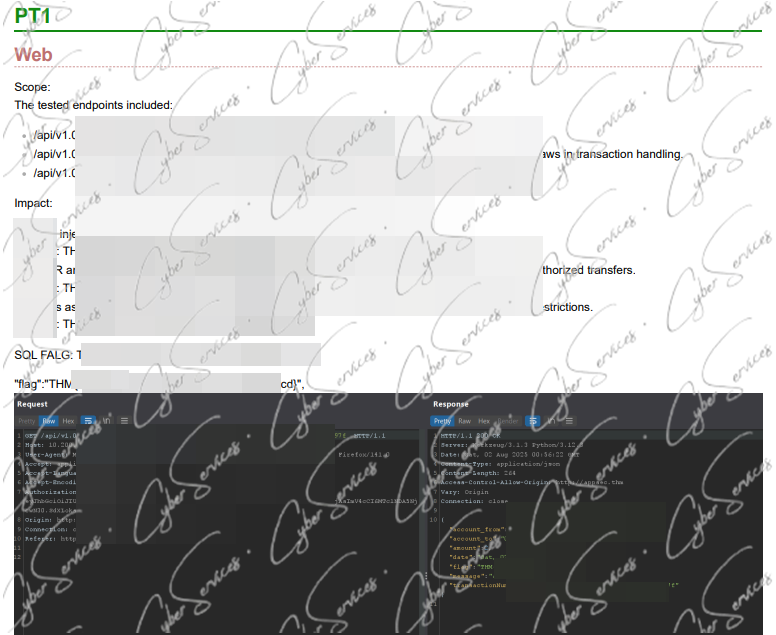
During the exam, I documented every command, screenshot, timestamp, and finding as I progressed. Waiting until the end to rebuild your notes from memory is a mistake that can easily cost valuable time.
Good documentation also makes it much easier to explain your methodology and demonstrate a professional workflow.
Challenges Along the Way pt1 exam writeup
Not every step went smoothly.
There were moments where I spent far too long investigating what turned out to be dead ends. Looking back, those situations usually happened because I assumed something was vulnerable instead of confirming it through proper enumeration.
Whenever I felt stuck, I returned to the basics:
- Re-run enumeration.
- Review previous findings.
- Check permissions.
- Read configuration files carefully.
- Validate assumptions.
More often than not, the answer had been sitting in front of me the entire time.
Final Thoughts pt1 exam writeup
Overall, I found the TryHackMe PT1 certification to be a well-balanced practical exam that rewards patience, methodology, and critical thinking rather than luck.
If you’re preparing for PT1, my biggest recommendation is simple: don’t obsess over finding the perfect exploit. Focus on understanding the environment, documenting your work, and following a repeatable methodology.
Those habits won’t just help you pass the exam—they’ll make you a better penetration tester in real-world engagements.
I hope this TryHackMe PT1 writeup gives you a realistic idea of what to expect while staying within the exam rules. Good luck with your preparation, and enjoy the challenge.
Vendor: https://tryhackme.com/certification/junior-penetration-tester
Get the material: Browse exam material
Buy this dump