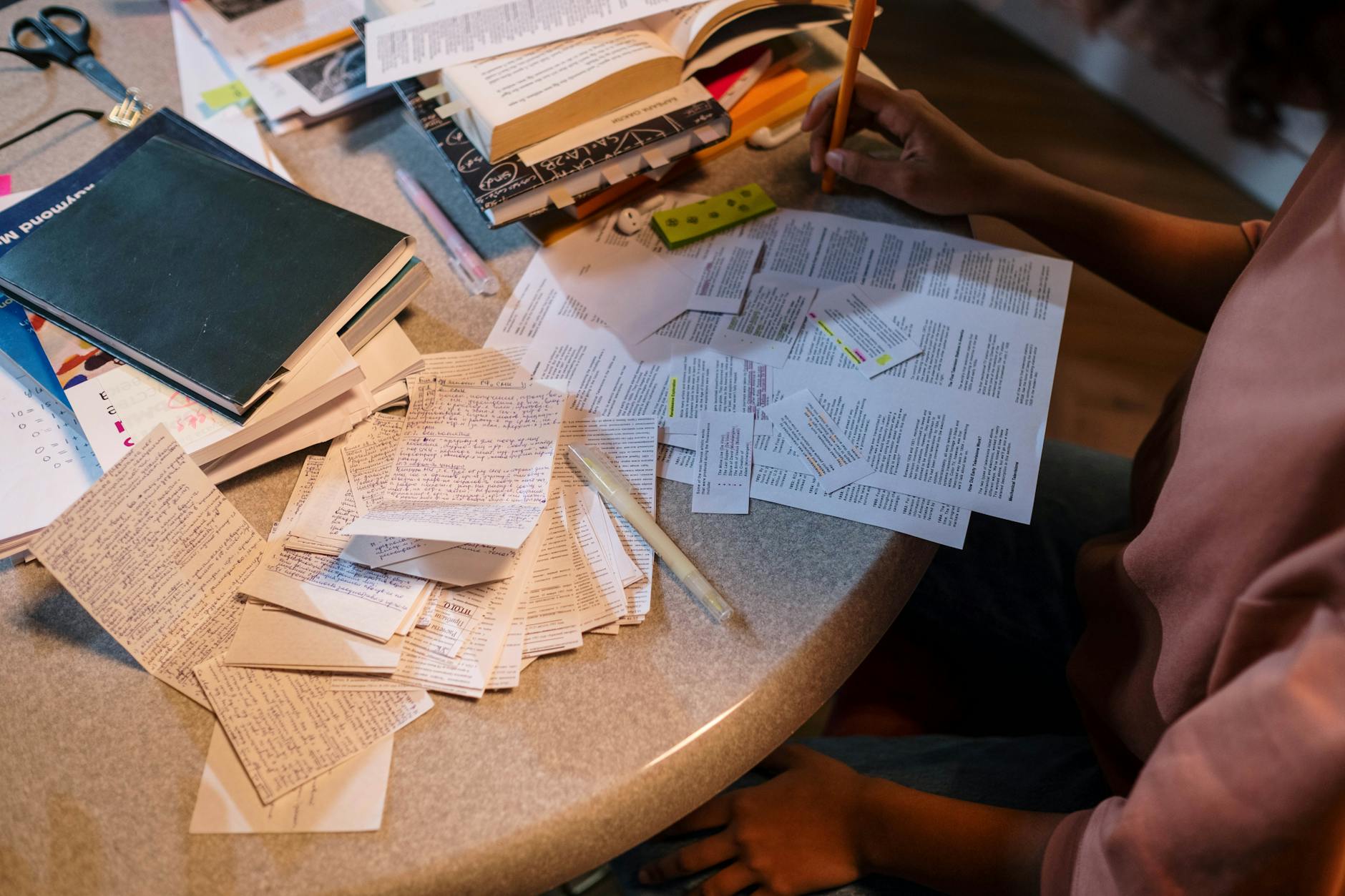
cwee exam tips can make the difference between scrambling at the last minute and walking into the exam with real confidence. If you want a prep routine that feels steady instead of stressful, you’re in the right place, and you can start with this Related Post for an extra angle on building momentum.
The CWEE exam rewards more than memorization. It asks you to understand the flow of the material, spot patterns quickly, and keep your head clear when the clock starts pushing back.
Why cwee exam tips matter more than raw study time
A lot of candidates spend hours reading, then wonder why the details blur together on exam day. That usually happens because the study plan is busy, not effective. Strong cwee exam tips help you turn effort into results by focusing on what actually sticks: repeated practice, active recall, and a realistic rhythm you can maintain.
Think of preparation like building layers. First you need the core concepts. Then you need repetition. After that, you need pressure-tested practice so the information feels usable, not just familiar. That’s the real goal here. Not cramming. Not hoping. Just steady progress with a clear finish line.
One more thing: candidates often chase new notes, new videos, and new “must-read” resources every day. That creates motion, but not always improvement. Better cwee exam tips keep you anchored. You review, you test yourself, you tighten weak spots, and you move on.
Build a study plan you can actually follow
Fancy study schedules look great until real life shows up. A useful plan has to survive work, family, fatigue, and the occasional bad day. Start by mapping your weeks, not just your subjects. That makes it easier to see what time you really have.
Here’s a simple way to structure your prep:
- Use short daily sessions for recall and review.
- Reserve longer blocks for practice questions and deeper topic work.
- Rotate between weak and strong areas so the material stays fresh.
- Track mistakes in a running note instead of rereading everything.
- Take one lighter day each week so burnout doesn’t creep in.
This kind of rhythm sounds simple, but it works because it keeps you moving. Good cwee exam tips are rarely flashy. They’re the small habits that keep your prep consistent when motivation drops.
Another thing that helps is setting a target for every session. Don’t just say “study networking.” Say “review two concepts, answer ten questions, and rewrite the ones I missed.” That gives each block a shape. Without that, study time tends to expand and dissolve at the same time.
cwee exam tips for active recall and retention
If you only reread your notes, you’ll probably feel comfortable but not ready. Comfort can fool you. Active recall is what forces your brain to retrieve the answer instead of recognizing it from the page. That retrieval effort is where the learning actually happens.
Use flashcards if they help, but don’t stop there. Cover your notes and explain the idea out loud. Write the steps from memory. Teach the topic to an empty room. It sounds a little awkward, sure, but it reveals gaps fast. Those gaps are gold. They show you exactly where to spend your next hour.
One of the most effective cwee exam tips is to turn mistakes into repeatable prompts. If you miss a question, don’t just note the answer. Write why you missed it. Was it a keyword you skipped? A concept you half-understood? A trap in the wording? That extra line of reflection makes the next review session much more useful.
You can also mix topic review with timed drills. For example, study for 20 minutes, then spend 10 minutes answering without notes. That contrast keeps the brain engaged and prevents passive reading from taking over. It’s a small adjustment, but it changes the whole feel of your prep.
cwee exam tips for difficult topics
Every candidate has a section that feels heavier than the rest. Maybe it’s one module, maybe it’s a cluster of concepts that seem to blur together. Don’t treat that as a sign you’re behind. Treat it like a signal.
Start by breaking the topic into smaller parts. One broad subject becomes three or four manageable pieces. Then study those pieces in isolation before putting them back together. That’s often easier than trying to swallow the entire topic at once. And yes, it’s slower at first, but the understanding lasts longer.
Another useful move is to compare similar ideas side by side. A quick contrast table can expose differences you’d otherwise miss under pressure. This is where cwee exam tips stop being generic and start becoming practical. You’re not just “reviewing harder.” You’re reviewing smarter.
If a topic keeps slipping away, change the format. Read it. Write it. Say it. Quiz it. Use whatever variation keeps your attention from fading. Sometimes a topic doesn’t need more time. It needs a different angle.
Practice under exam conditions before the real thing
There’s a big gap between knowing material and performing under a timer. That gap gets smaller only if you practice in a way that resembles the exam. Use a quiet space. Set a timer. Keep distractions away. Then work through questions without pausing every minute to check notes.
As you practice, pay attention to pace. Are you spending too long on the first few questions? Are you rushing at the end? Either one can throw off your whole session. One of the best cwee exam tips is learning when to move on. You don’t need to solve everything instantly. You need to protect your time.
It also helps to review not just what you got wrong, but how you behaved while solving. Did you second-guess easy answers? Did you overread the question? Did you miss a clue because you were in a hurry? That kind of self-review can be uncomfortable, but it’s exactly where your score starts to improve.
For candidates who like a broader reference point while comparing prep styles, the Related Post offers a calmer angle that pairs well with timed practice.
How to stay sharp in the final week
The last week is not the time to reinvent your approach. It’s the time to tighten it. Focus on review, lightweight practice, and confidence-building repetition. If you’ve been building a good system, this is where it starts to pay off.
A few final-week moves usually help:
- Review your mistake log every day.
- Do short mixed quizzes instead of long exhausting sessions.
- Sleep on schedule so your brain stays alert.
- Keep notes short and visual.
- Avoid diving into brand-new material unless it fills a real gap.
That last point matters more than people admit. Last-minute new content can create noise. You don’t need more noise. You need clarity. Good cwee exam tips in the final week should reduce friction, not add it.
Try to finish study sessions with something you can answer confidently. Ending on a win helps your mind settle. It sounds small, but it changes how you feel when you sit down the next day.
What to do on exam day without overthinking it
Exam day performance is mostly about stability. You already did the work. Now your job is to keep yourself from getting in the way. Wake up early enough to avoid a rushed start. Eat something light if that works for you. Give yourself enough time to settle in before the first question appears.
When the exam begins, read carefully and keep your pace steady. If a question feels messy, don’t let it drag you into panic. Mark it mentally, move on, and come back if needed. One of the most underrated cwee exam tips is simply not letting one difficult item own the whole session.
Breathing matters too. Not in a dramatic way. Just enough to reset. A slow exhale can break the little wave of stress that builds when you hit uncertainty. That reset keeps your thinking cleaner.
If you like to ground your prep in a more formal framework, the OWASP site is a solid place to revisit security fundamentals and keep your understanding crisp.
Use the right resources, not just more resources
Resources can help, but only if they fit the way you study. Some people learn best from reading. Others need structured practice. A few need a mix of both. The trick is not collecting everything. It’s choosing the pieces that support your weak spots.
For a deeper look at certification-focused preparation, the Related Post can be useful as a companion read when you want to compare the exam format with the topics you’re reviewing. And if you’re looking for a more hands-on roadmap, the Related Post adds another layer of practical guidance without overcomplicating the process.
You may also find that certain notes click only after you’ve seen them in a different form. That’s why the Related Post works well as a second pass resource, especially if you want to revisit the same ideas from a slightly different angle. Later, when you’re polishing your study system, the Related Post can help you tighten the habits that support better recall.
For readers who like a more structured walkthrough, the Related Post is a good match for turning broad cwee exam tips into a simple daily routine. And if you want the most certification-specific version of the topic, the pillar guide sits closest to the core exam content and belongs in the last stretch of your prep when you’re comparing concepts and checking readiness.
By the time you reach that stage, your cwee exam tips should feel less like advice and more like habits. That’s the real shift. You stop wondering what to do next, because the routine is already there. And when that happens, the exam feels a lot less intimidating.
Keep your prep clean, keep your notes usable, and keep showing up. Small, steady sessions beat chaotic sprints more often than people expect. The candidates who do well usually aren’t the ones who studied the loudest. They’re the ones who stayed organized, honest about weak spots, and calm enough to follow their plan all the way through.